


Plant a Winter Seedhead Garden to Nurture a Natural Bird Habitat
- ljmarkson
- Dec 1, 2020
- 2 min read
Updated: Nov 22, 2024
OR Birdseed isn't the Only Way to Attract Birds in the Winter

Butterfly gardens are wildly popular because flowers are beautiful and attract ethereal creatures to remind us of our connection to nature. When winter comes and the butterflies are gone, choosing native perennial plants with both architecturally interesting and functionally valuable seedheads will create a parallel magical winter wonderland where birds take the place of butterflies. Blazing start (Liatris) and hyssop (Agastache) seedheads for example offer both garden structure and a perch for smaller birds to eat their seeds.
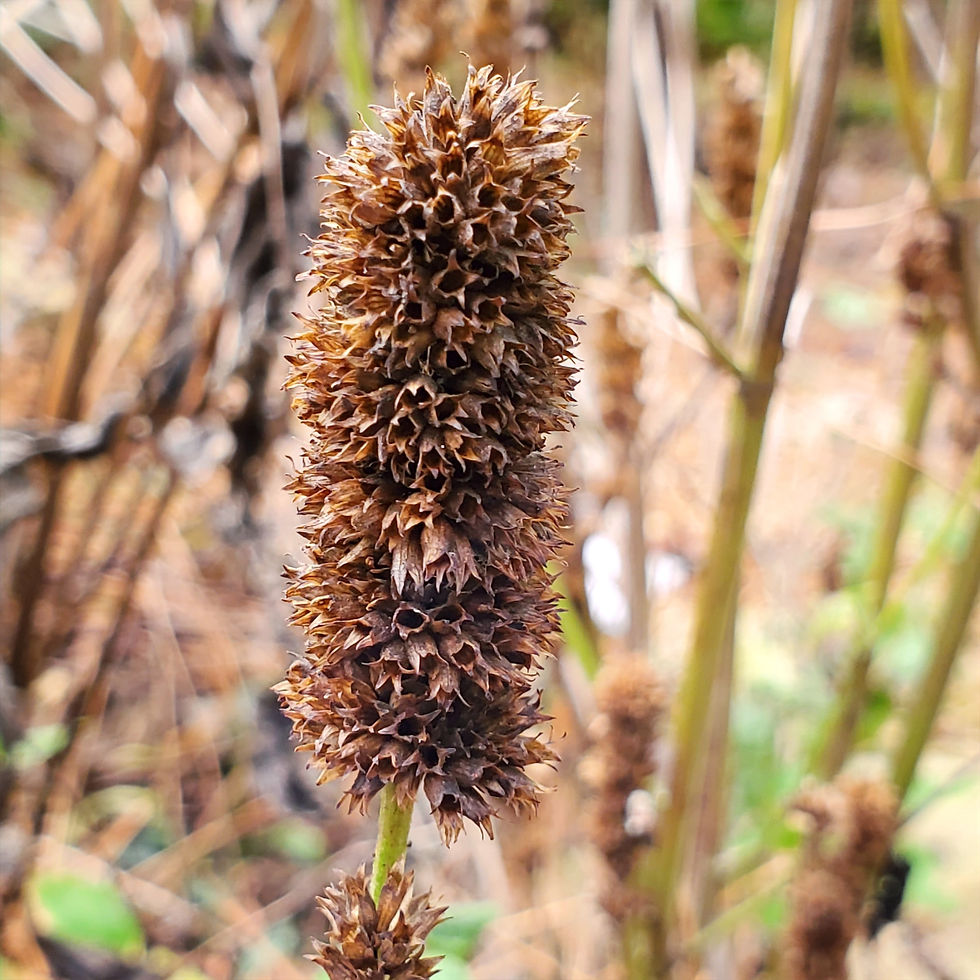
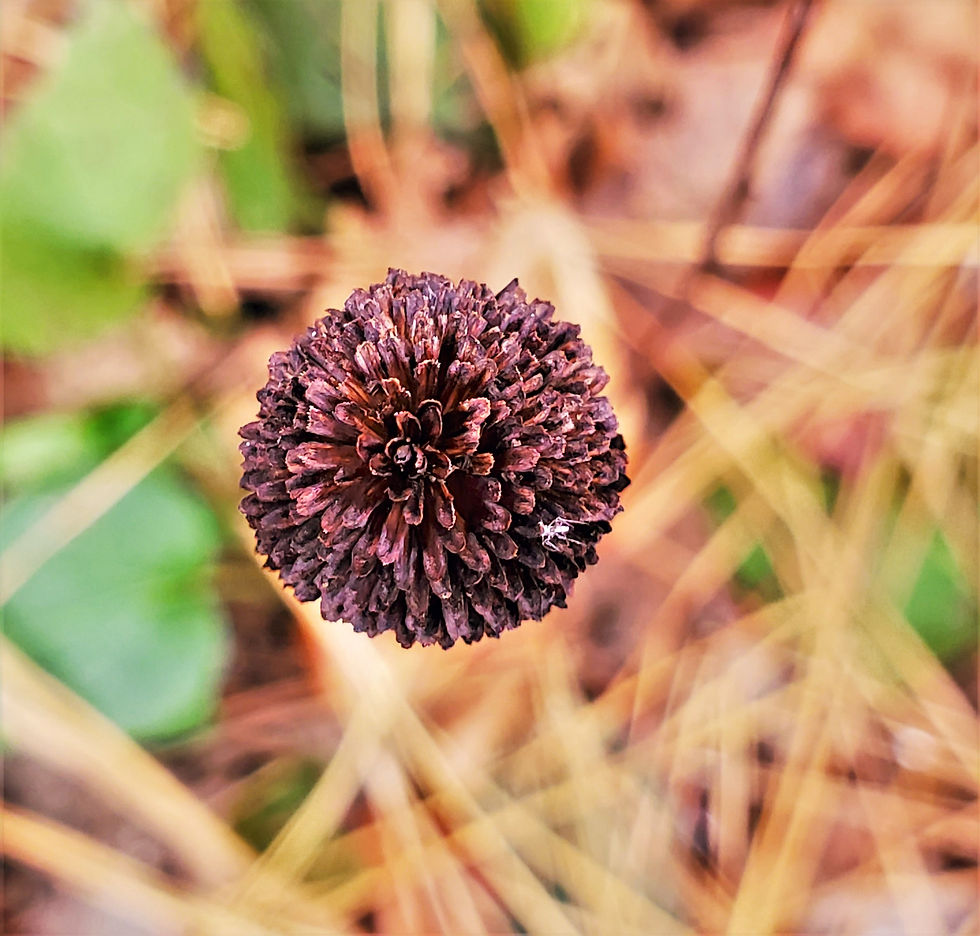
Seedheads are the dried fruiting or flowering part of the plant containing the seeds. There are many reasons to plant a seedhead garden for birds:
To continue getting protein and fat, many insect-eating birds switch to seeds in the winter.

Seedheads let birds gather seeds in the way nature intended. Small birds perch on the seedheads and larger birds forage on the ground where the seeds fall.
Seedheads provide food for a variety of birds that are too shy to visit open feeders.
Plants with seedheads provide birds safe cover from the elements and predators.
Many seedheads, including joe-pye weed, milkweed, thimbleweed and aster, have seedheads with fluff (pappus) for birds to use as nesting material.
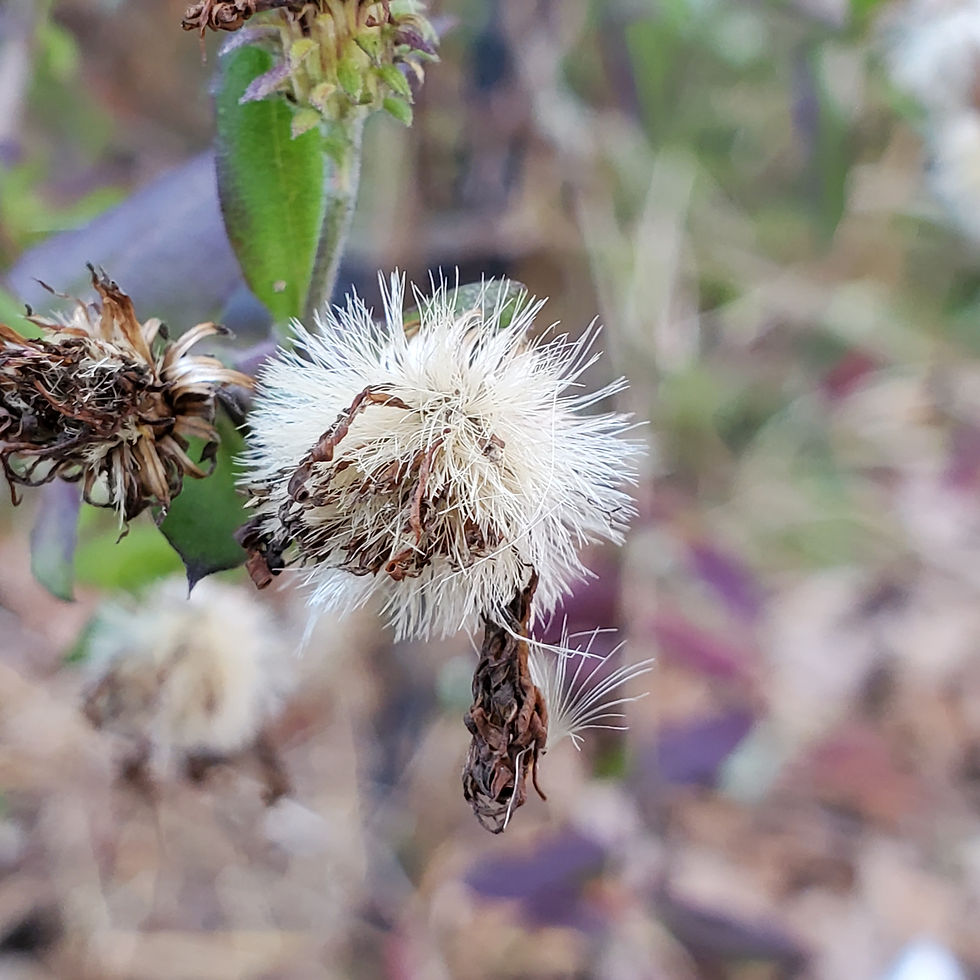
Native plants have evolved to be closely related to the native birds that need them. The variety of winter birds in a yard is directly related to how many native seedheads there are; different birds are attracted to different seedheads.
The cheery winter sight of goldfinches, bluebirds, and cardinals feasting on nutrition-rich seedheads in your yard showcase the functional benefit as well as the beauty of rewilding with native plants.


Comments